


ZIMBABWE DELEGATION BENCHMARKS ON HEAP AT BUSITEMA UNIVERSITY
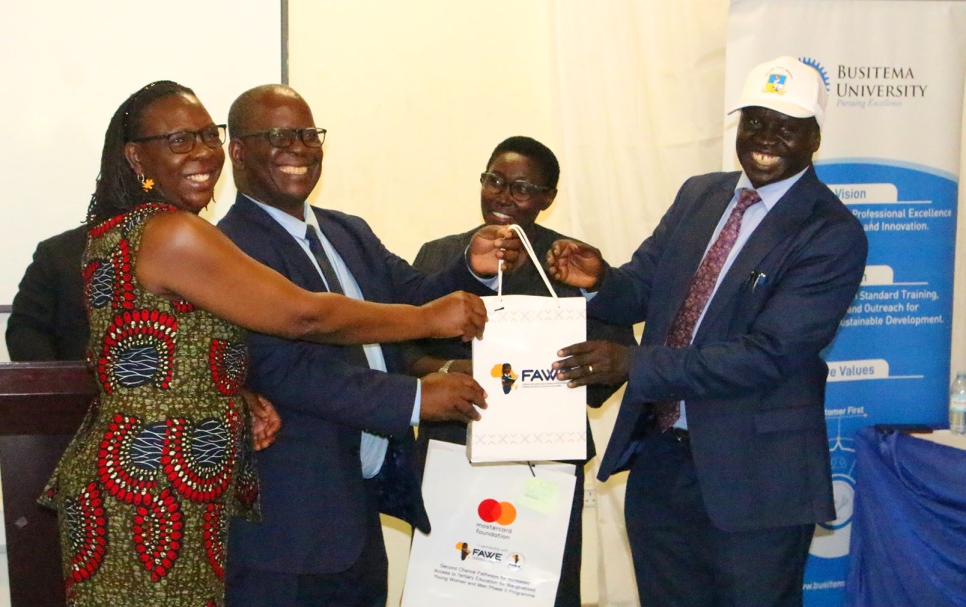
On 5 May 2026, Busitema University hosted a high-level delegation from the Zimbabwe Council for Higher Education and the Ministry of Higher and Tertiary Education, Innovation, Science and Technology Development of Zimbabwe for a benchmarking visit on the Higher Education Access Programme (HEAP).
The delegation, led by the Permanent Secretary in Zimbabwe’s Ministry of Higher and Tertiary Education, Prof. Fanuel Tagwira, visited the university’s main campus to learn from Uganda’s experience in implementing HEAP, an initiative aimed at expanding access to university education for disadvantaged learners. The Zimbabwean team was accompanied by officials from FAWE Africa, FAWE Uganda, Uganda’s Ministry of Education and Sports, the National Council for Higher Education (NCHE), and the Vice Chancellor of Soroti University, Prof. John Robert Ikoja-Odongo.
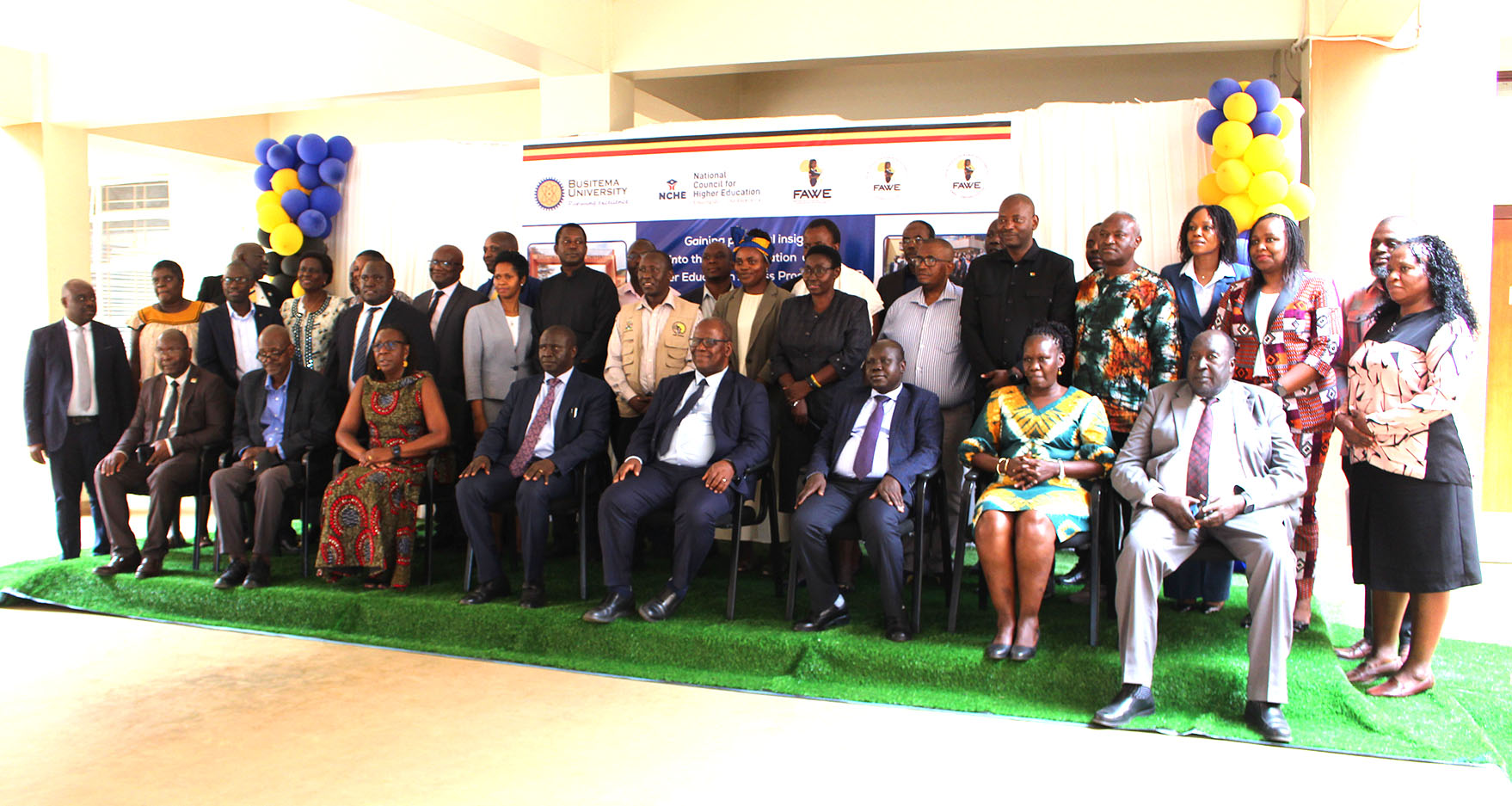
Welcoming the delegation, the Vice Chancellor of Busitema University, Prof. Paul Waako, thanked the visitors for selecting Busitema University as part of their benchmarking mission.
“Your presence here today is evidence of the growing collaboration between Uganda and Zimbabwe in advancing higher education on the African continent,” Prof. Waako said.
Prof. Waako highlighted the achievements of HEAP since its introduction at Busitema University in 2019. The programme began with 71 students, 60 of whom were sponsored by FAWE. Through structured academic support, mentorship, and a learner-centred approach, the pioneer cohort successfully transitioned into degree programmes and graduated. Subsequent cohorts have continued to perform competitively alongside students admitted through direct entry, diploma, and mature-age entry schemes.
“To us, HEAP is one of the most significant innovations in higher education because it expands access despite barriers such as regional economic inequalities, the rural-urban divide, unequal distribution of schools and learning materials, and cultural stereotypes,” he noted. According to Prof. Waako, the programme has enabled the university to provide a second chance to students with non-traditional entry qualifications, bridge foundational gaps in STEM subjects, support learners from underrepresented communities, and promote gender equity in science disciplines.
He also commended FAWE for championing educational opportunities for disadvantaged learners and strengthening partnerships among African institutions. Prof. Waako expressed optimism that the collaboration would expand into joint academic programmes, research initiatives, and staff and student exchange programmes aimed at advancing higher education in Africa. He further encouraged African institutions to embrace self-reliance and collaboration in light of lessons learned from the COVID-19 pandemic and global economic disruptions.
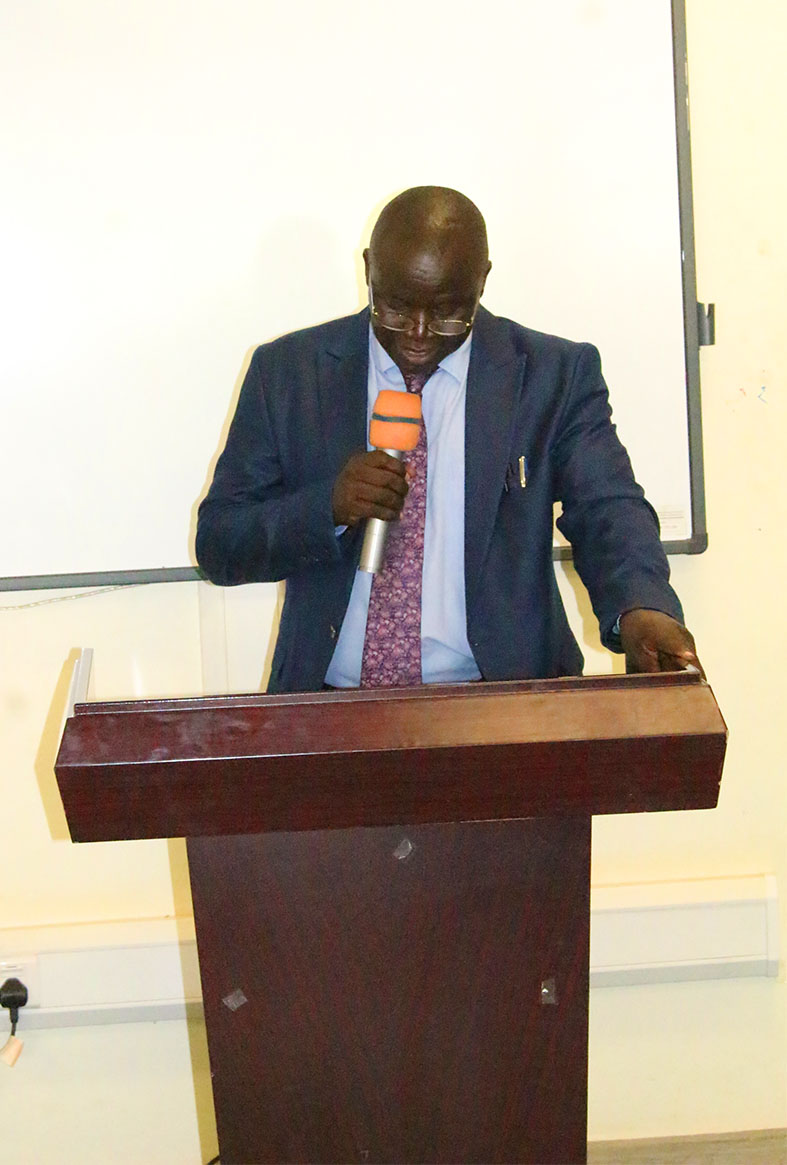
Representing the Executive Director of the National Council for Higher Education, Prof. Mary Okwakol, the Assistant Commissioner of NCHE commended Busitema University for pioneering the Higher Education Access Programme among Uganda’s public universities. He thanked the Vice Chancellor for hosting the benchmarking team and noted that Busitema University and the Islamic University in Uganda were among the institutions selected from Eastern Uganda to implement the programme.
He explained that HEAP was established to support students who had not attained the conventional university entry scores, emphasizing that many beneficiaries had since graduated and taken up significant roles in society. Describing HEAP as an innovation in higher education, he said the programme promotes inclusivity and expands access for disadvantaged learners. He also highlighted NCHE’s role in setting standards, monitoring implementation of the HEAP certificate programme, conducting regular institutional assessments, and enforcing compliancemeasures to ensure quality higher education in Uganda.
The representative further applauded the Forum for African Women Educationalists (FAWE) for supporting the initiative, noting that its impact extends beyond Uganda to the wider African continent and beyond.
Speaking on behalf of FAWE Uganda, the Executive Director, Ms. Suzan Opok Tumusiime, described HEAP as one of the most transformative innovations in modern higher education because of its contribution to equity, equality, and gender inclusion. She observed that many disadvantaged students had historically faced structural barriers to higher education and noted that the programme seeks to bridge this gap by supporting vulnerable learners, particularly girls and students with disabilities.
Ms. Tumusiime revealed that FAWE currently supports 103 students under the HEAP programme at Busitema University. She also appreciated Prof. Paul Waako for championing the programme among Vice Chancellors in Uganda during his tenure as Chairperson of the Uganda Vice Chancellors’ Forum, noting that his leadership significantly contributed to the programme’s growth and adoption.
The Chief Executive Officer of FAWE Africa, Dr. Martha Muhwezi, said FAWE operates through 34 chapters across Africa and appreciated the Zimbabwean delegation for choosing to study the Ugandan HEAP model. Dr. Muhwezi stressed the importance of sustainability seven years after the programme’s inception and called for increased government ownership.
“HEAP should be institutionalized as a government programme under the Ministry of Education and Sports,” she said, adding that Zimbabwe should be prepared to allocate university slots for the initiative".
She noted that the HEAP journey began at Busitema University in 2019 before expanding to institutions such as Mbarara University of Science and Technology and Soroti University. Dr. Muhwezi reaffirmed FAWE’s commitment to supporting partner institutions and advancing innovative education models across the continent.
The Chief Executive Officer of the Zimbabwe Council for Higher Education appreciated the warm reception accorded to the delegation and emphasized that Zimbabwe’s focus would be on supporting students from disadvantaged backgrounds through a similar programme.
In his remarks, Prof. Fanuel Tagwira expressed gratitude to Busitema University, NCHE, and FAWE for hosting the Zimbabwean delegation and ensuring a productive benchmarking visit. He commended Busitema University for taking a leading role in anchoring HEAP in the region, noting that the initiative had demonstrated success in transforming lives, fostering innovation, and driving economic development.
“We are here because of the success stories,” Prof. Tagwira remarked, emphasizing that education remains the foundation of society and a powerful tool for national transformation.
He explained that the delegation had come to study the implementation of HEAP in Uganda in order to address similar challenges in Zimbabwe, in line with the Zimbabwean President’s vision of “leaving no person and no place behind” through inclusive education. Prof. Tagwira further appreciated the support of Mastercard Foundation and FAWE in implementing the programme and highlighted Zimbabwe’s growing innovation ecosystem, where universities are increasingly filing patents and establishing innovation hubs. He expressed optimism that partnerships with Busitema University would strengthen Zimbabwe’s ambition of becoming a regional Science, Technology, and Innovation hub.
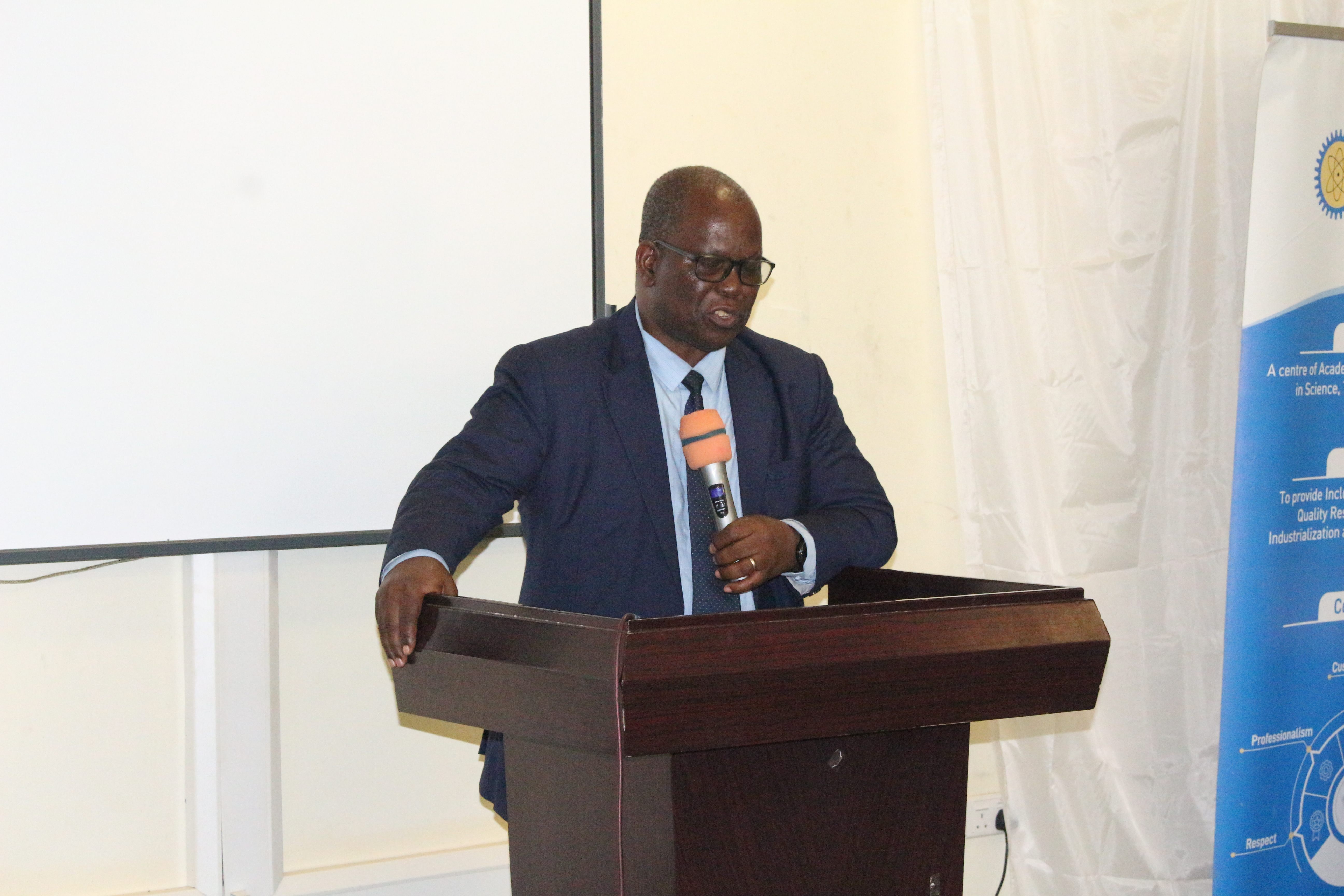
Prof. David Olema, Dean of the Faculty of Science and Education and Coordinator of the HEAP programme at Busitema University, thanked the Zimbabwean delegation for embracing the programme and moving swiftly toward implementation. He revealed that he had previously visited Chinhoyi University of Technology in Zimbabwe, which had shown keen interest in adopting the programme.
Prof. Olema also noted that Soroti University had benchmarked with Busitema University and was reviewing its curriculum to implement the programme. Citing statistics on educational progression in Uganda, he observed that although about 1.8 million pupils enroll in Primary One, only about 100,000 students complete Senior Six. He stressed that HEAP remains critical in reducing school dropout rates by offering learners a second opportunity to access university education.
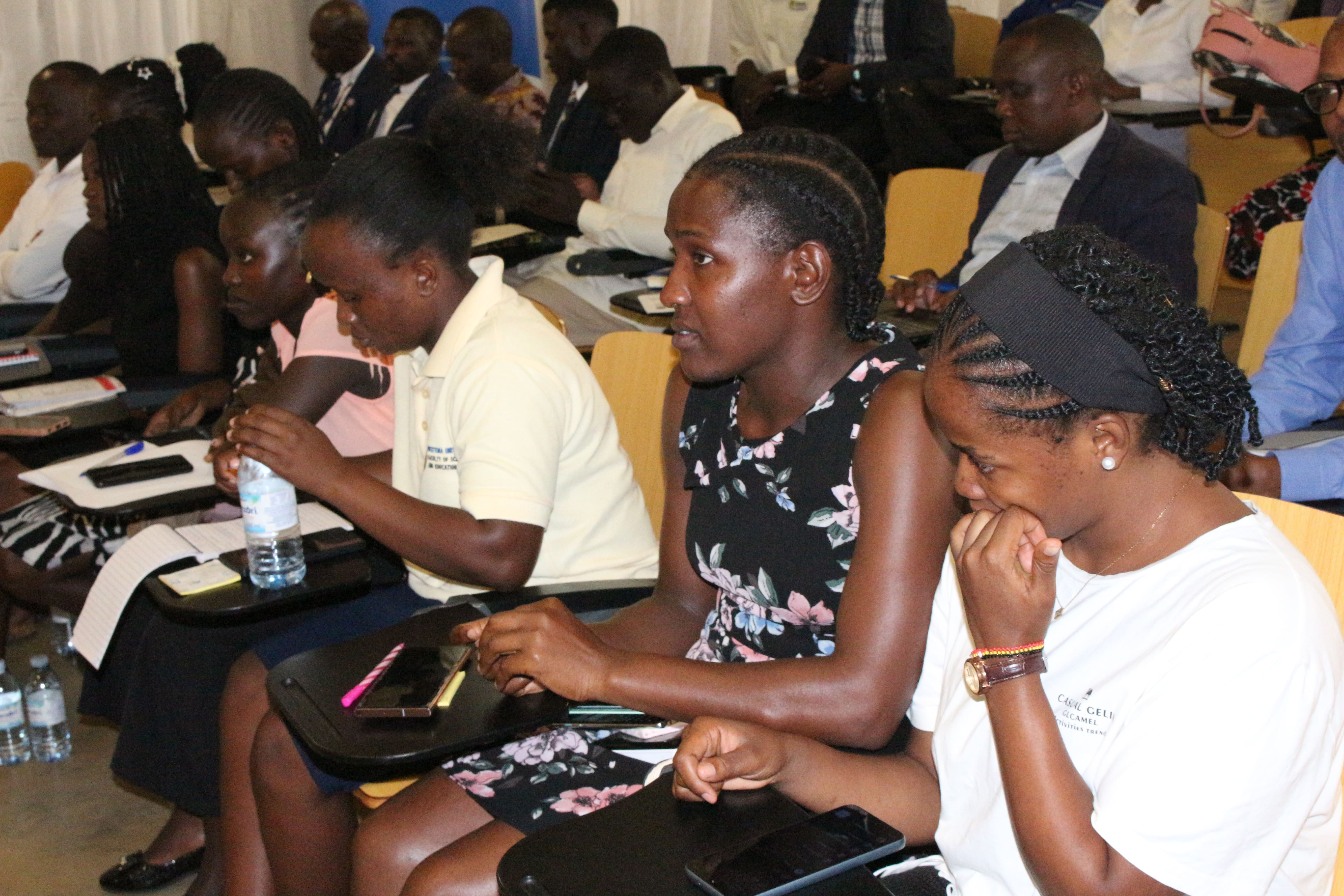
The benchmarking visit concluded with engagements between the delegation, students, alumni, academic staff, and administrators, as well as tours of laboratories, teaching facilities, and learning spaces at Busitema University.
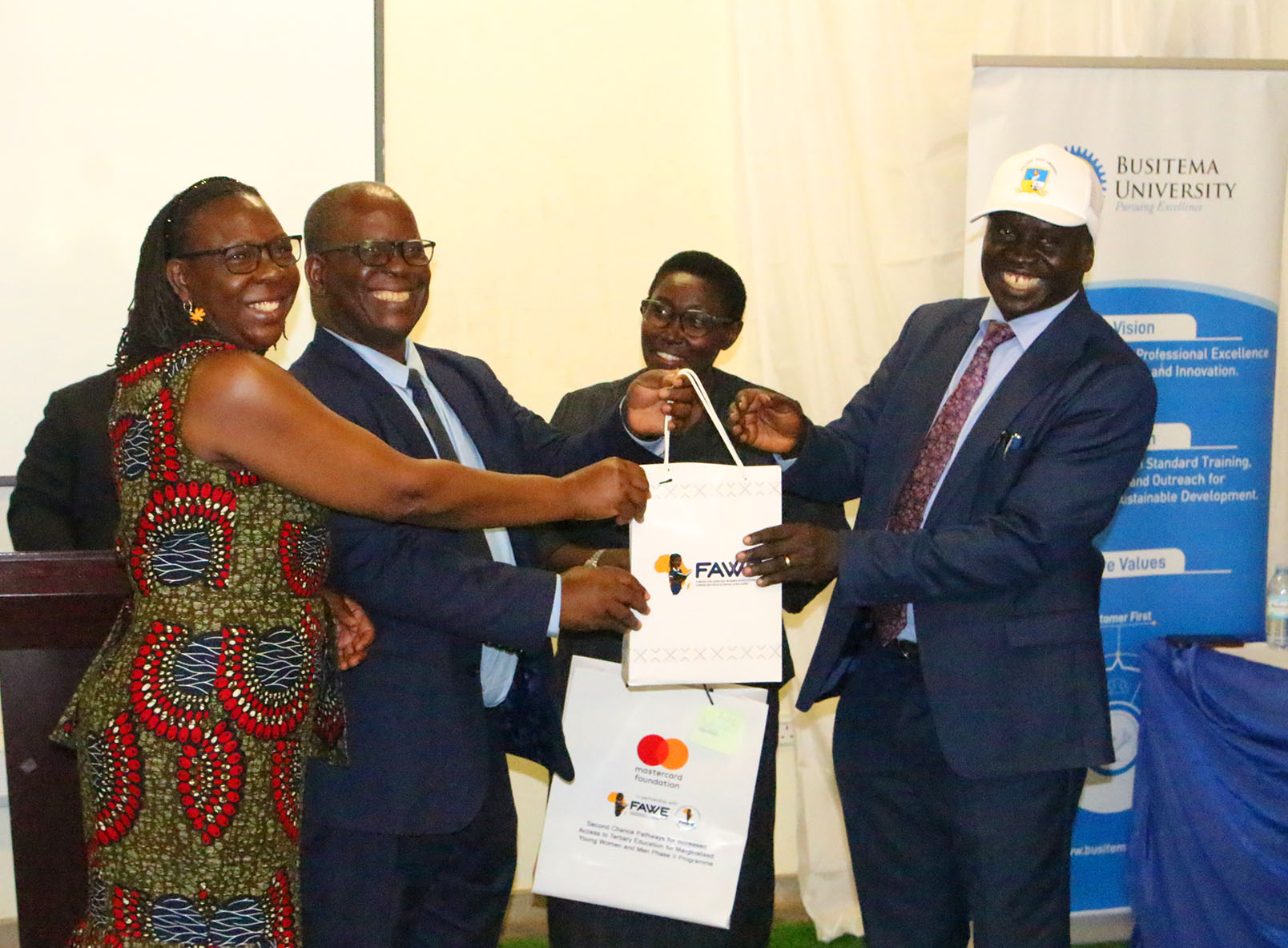
Tertiary Education during the HEAP benchmarking visit
- 44 views