


Busitema Hosts Regional, European Teams for Social Innovation Training
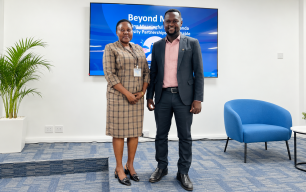
Busitema University has hosted a three-day regional training aimed at strengthening social innovation and entrepreneurship across East Africa and beyond. The workshop, held from April 22 to 24 at the University’s Faculty of Engineering and Technology Conference Hall, brought together academic teams and development partners under the theme “Advancing Social Innovation & Entrepreneurship through Post Graduate Education in East Africa.” The initiative is part of a broader collaboration supported by the European Union through the Erasmus Programme.
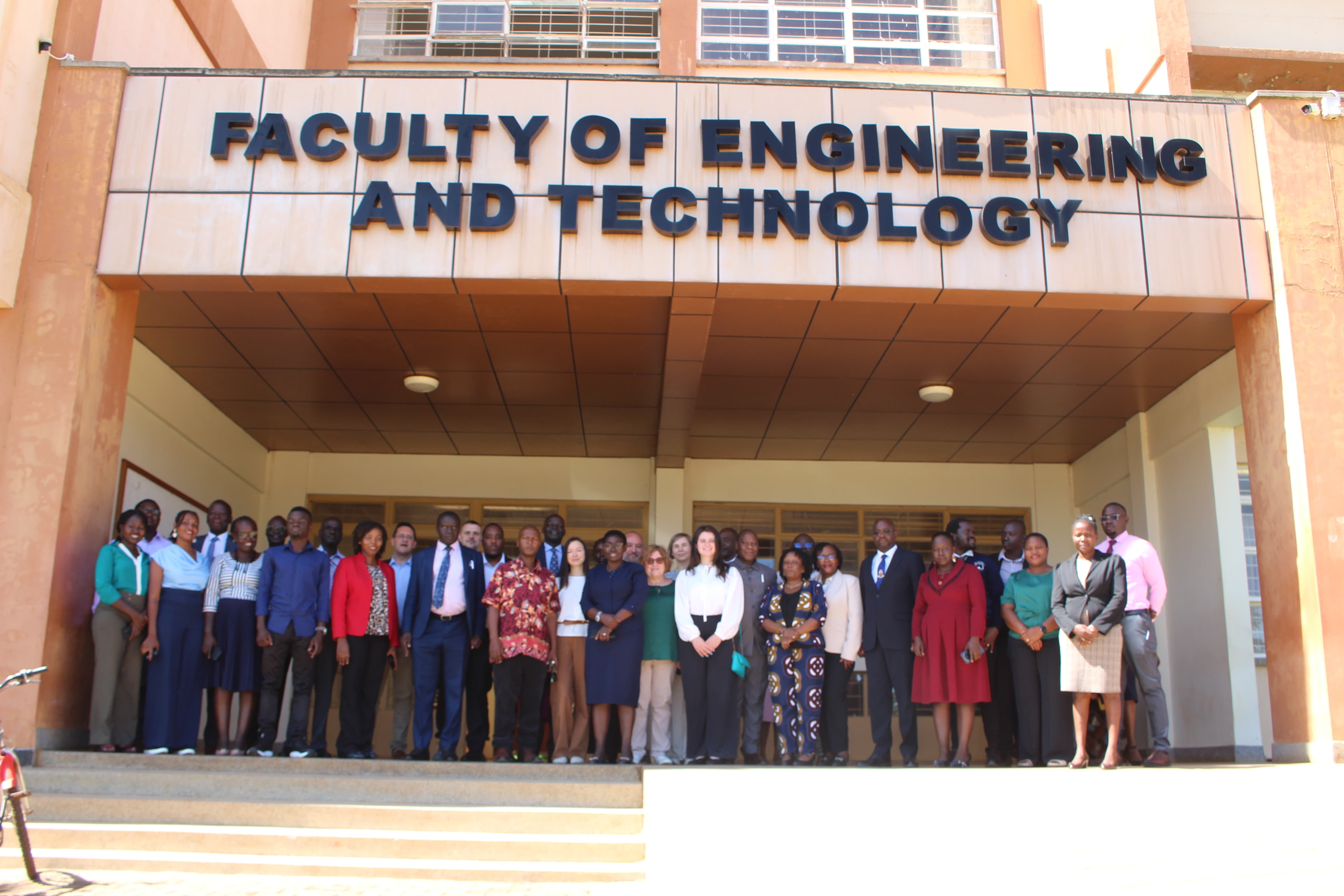
Organized by the university’s Directorate of Quality Assurance, the “Advanced Uganda Workshop 2026” attracted participants from institutions in Bulgaria, Italy, Bosnia and Herzegovina, Lithuania, and Tanzania. A delegation from Lira University also took part.
The visiting teams were received by Vice Chancellor Paul Waako and Deputy Vice Chancellor for Academic Affairs Saphina Biira, who welcomed the engagement as a timely opportunity to build partnerships.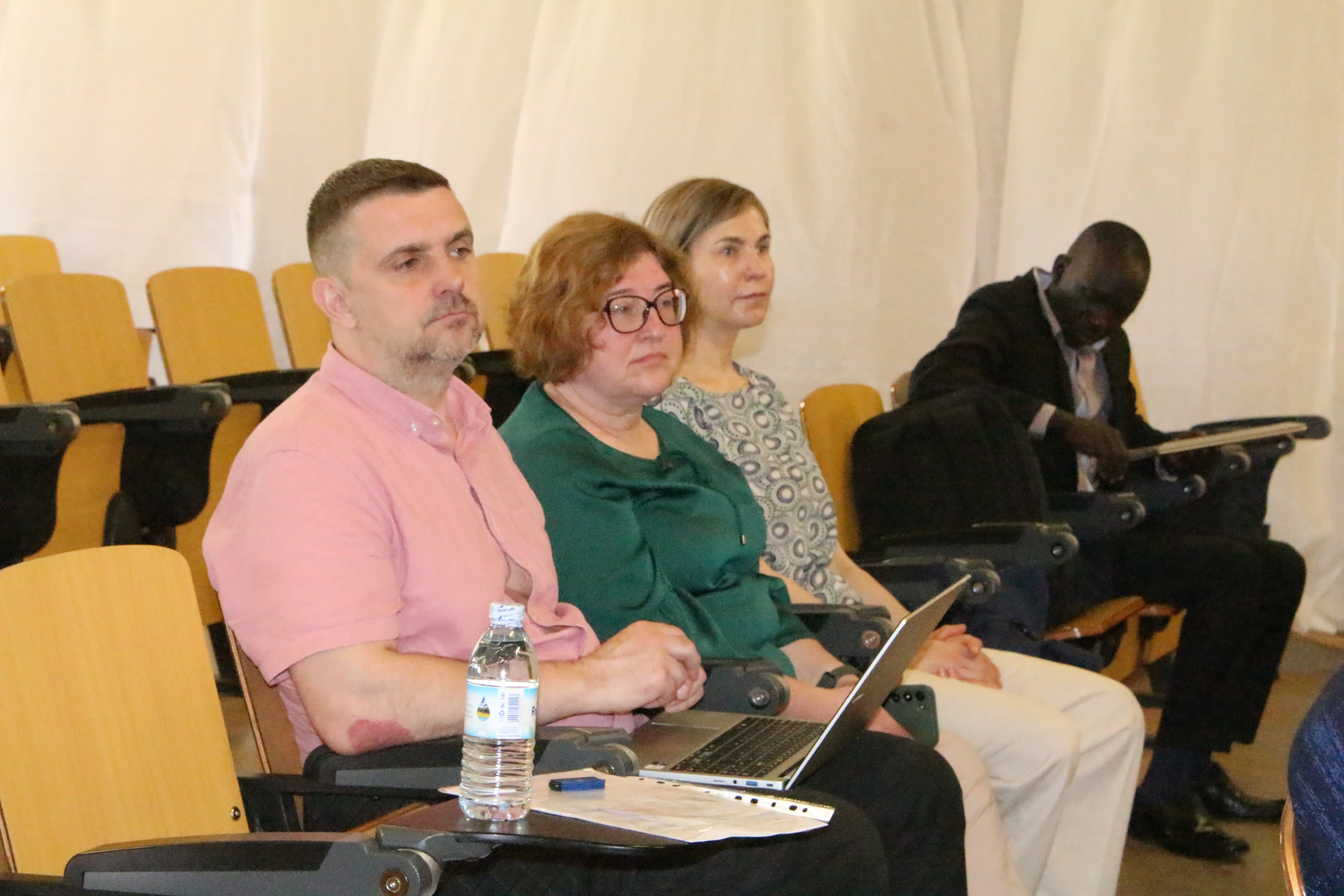 The invited institutions included; University of National and World Economy (UNWE), Vilniaus Kolegija, University of Sannio, Mkwawa University College of Education, Mzumbe University, Lira University and Busitema University as well as non-government organizations like SIDO and Tetra who also participated in the workshop.
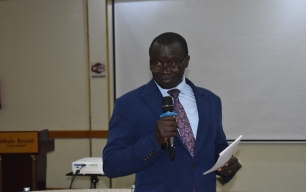
In his remarks, Prof. Waako highlighted the need to strengthen capacity in entrepreneurship education, noting that such collaborations could help bridge existing gaps. He urged participants to sustain networks formed during the workshop to ensure ideas discussed translate into practical outcomes.
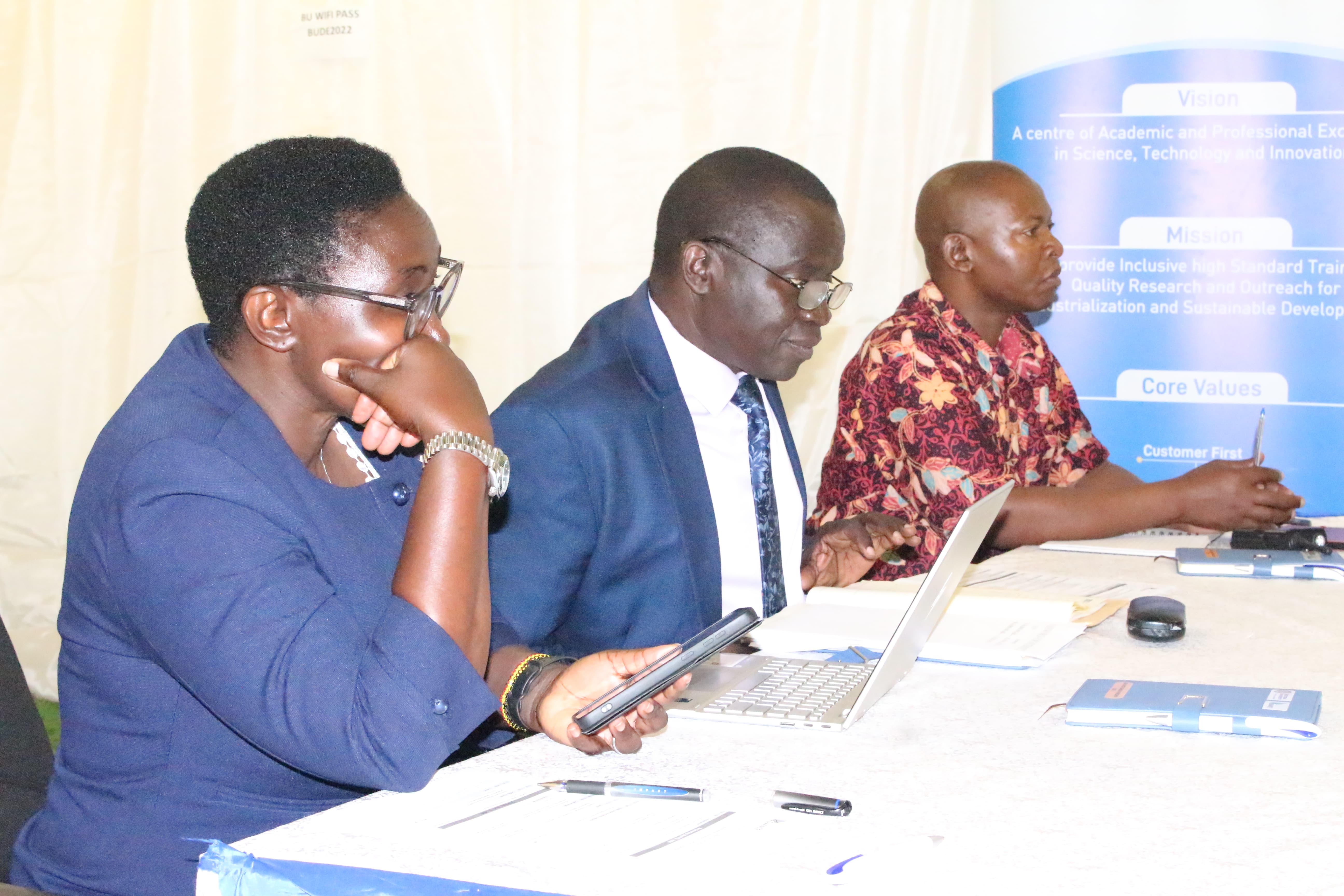
Prof. Biira provided an overview of the university’s growth and outlined plans to submit the programme to the National Council for Higher Education for accreditation. She said the initiative is expected to pave the way for formal partnerships and memoranda of understanding among participating institutions.
According to project coordinator Evgenia Nikulina, the programme will be implemented through existing e-learning systems once approved by regulators. She explained that the European Union will provide funding for one year, support virtual student exchanges, and facilitate online teaching collaborations among partner universities. The project is particularly focused on expanding access for students from rural communities.
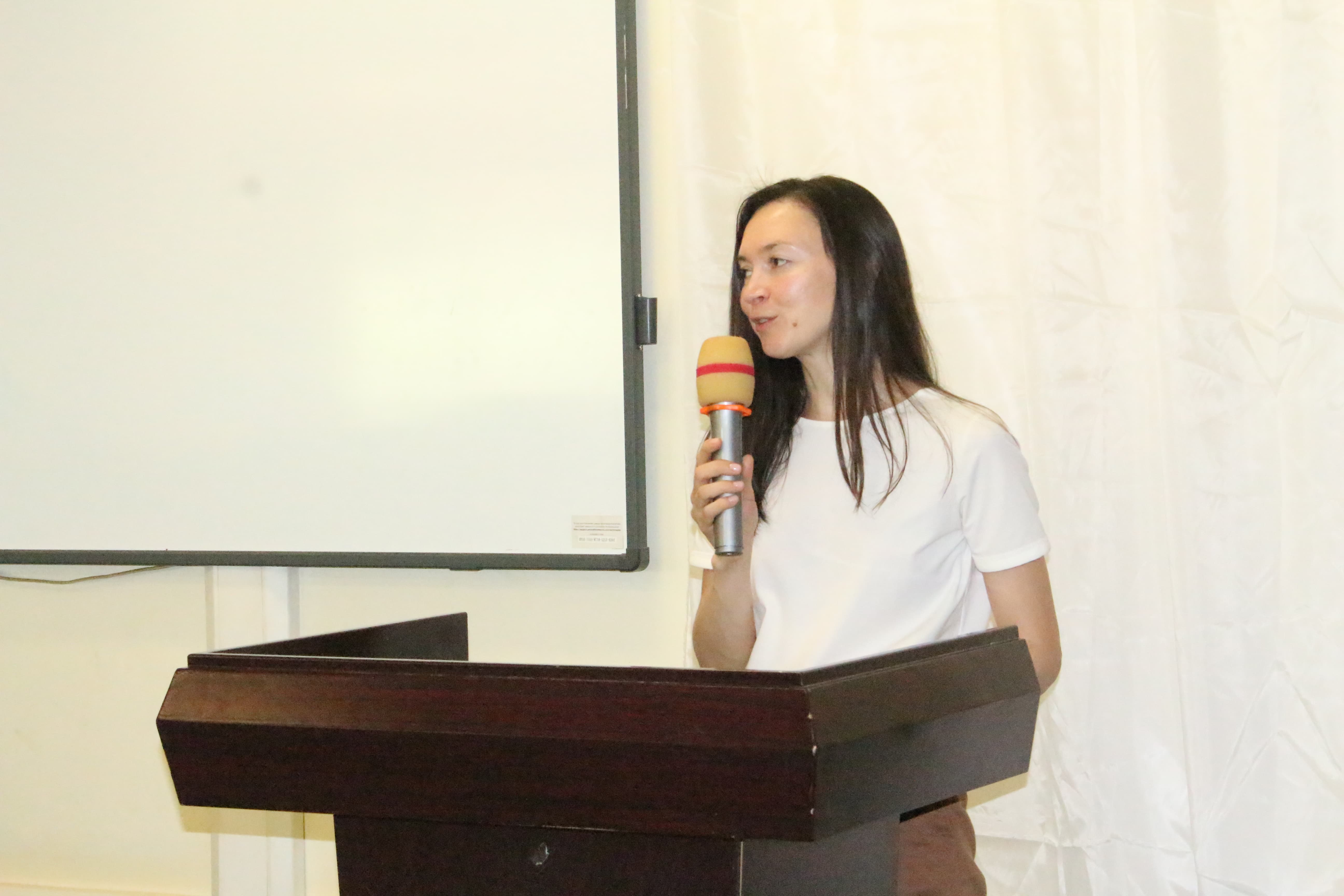
Participating institutions included University of National and World Economy, Vilniaus Kolegija, University of Sannio, Mkwawa University College of Education and Mzumbe University, alongside local partners.
During the sessions, facilitators explored topics such as experimental learning, curriculum design, reverse mentoring, quality assurance practices in Europe, and the role of social enterprises. The programme also highlighted practical approaches including simulations and hackathons as tools for problem-solving and innovation.
A team from the University of National and World Economy presented an ecosystem-based model designed to support cross-disciplinary innovation. The model has already been piloted in partnerships with universities in Bulgaria and Colombia, with plans to expand to new regions.
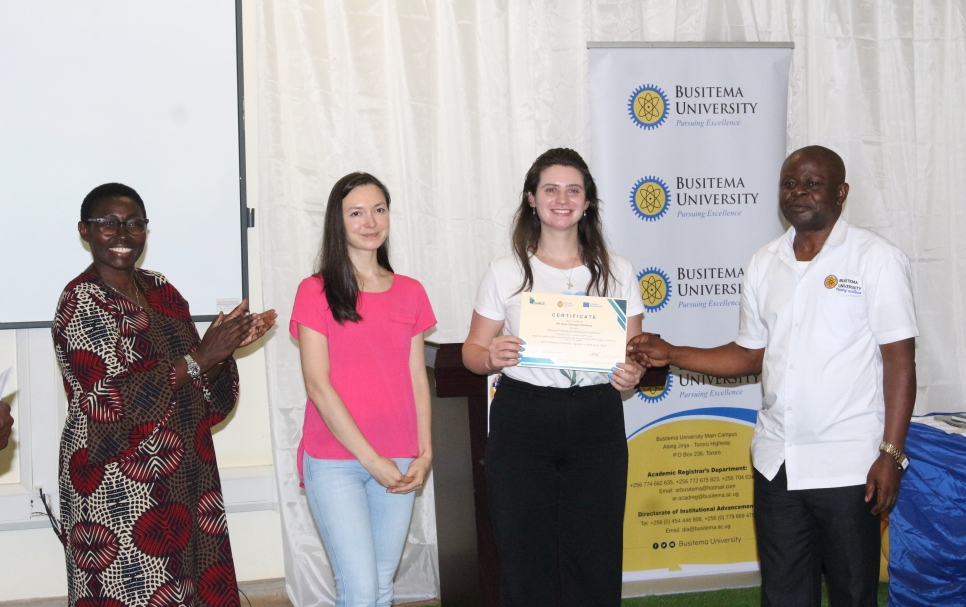
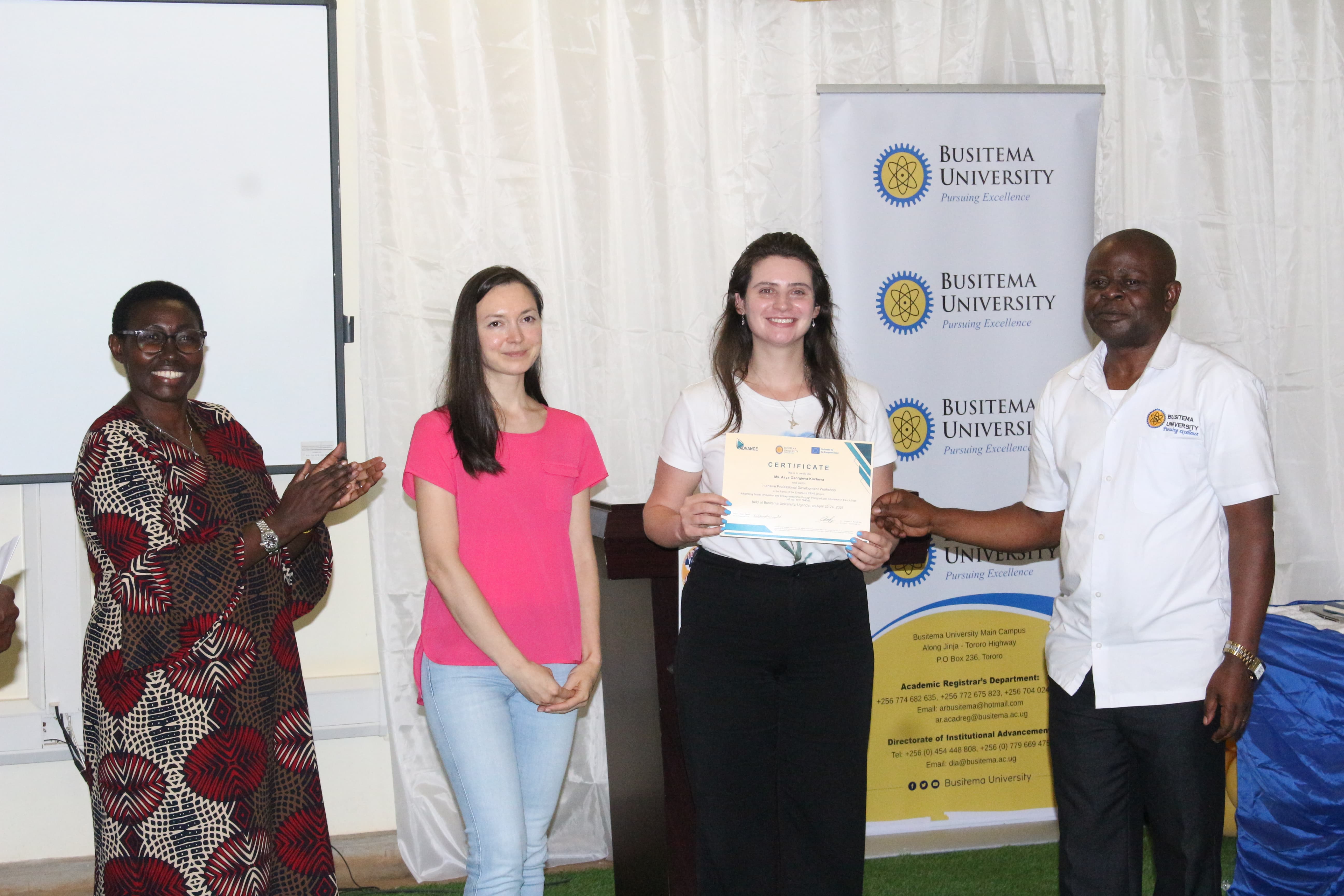
The workshop concluded with the awarding of certificates to participants, issued by the Office of the Academic Registrar, marking the end of an engagement organizers hope will lead to long-term academic collaboration and innovation-driven development.
- 77 views