


Busitema University Joins 10-University Initiative to Expand Women’s Pathways into STEM Teaching
Busitema University is among 10 universities selected to participate in a five-year national initiative aimed at increasing opportunities for women from financially disadvantaged backgrounds to pursue Science, Technology, Engineering and Mathematics (STEM)-related teacher education and develop into future leaders in Uganda’s education sector.
The University’s participation in the Leaders in Teaching (LiT) Uganda Programme places Busitema at the centre of a national effort to address gender and socioeconomic barriers that continue to limit young women’s participation in STEM education and careers.
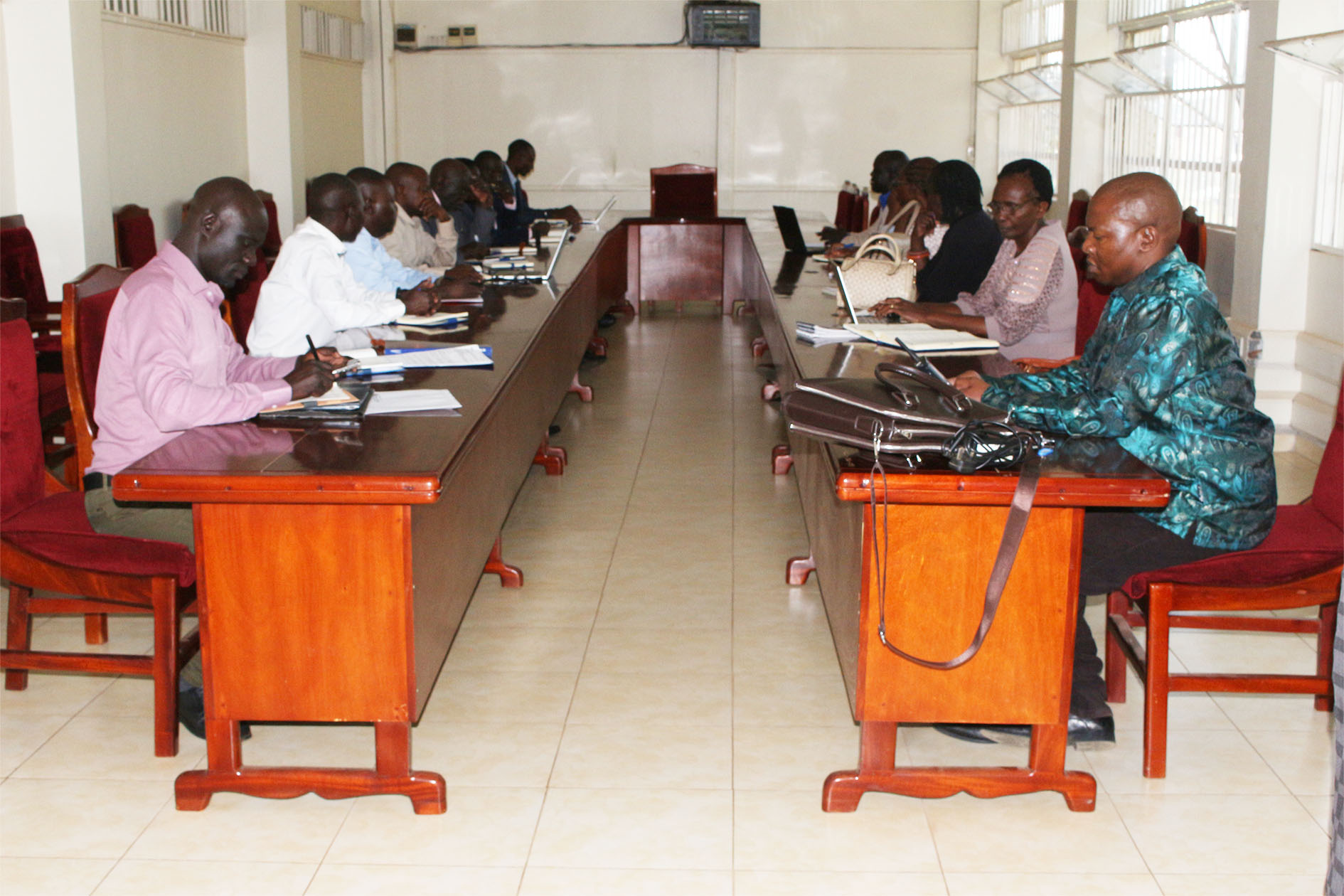
The five-year programme, which will run until June 2030, seeks to support 1,000 female students from financially disadvantaged backgrounds across participating institutions in Uganda. At Busitema University, 20 female students will benefit from scholarships to pursue teacher education programmes in Biology, Physics, Chemistry, Mathematics and Agriculture at the Faculty of Science and Education, Nagongera Campus.
The scholarship package will cover tuition, accommodation, feeding and laptops, providing beneficiaries with the financial and learning resources required to successfully pursue their studies and prepare for careers in teaching and STEM.
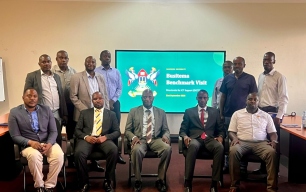
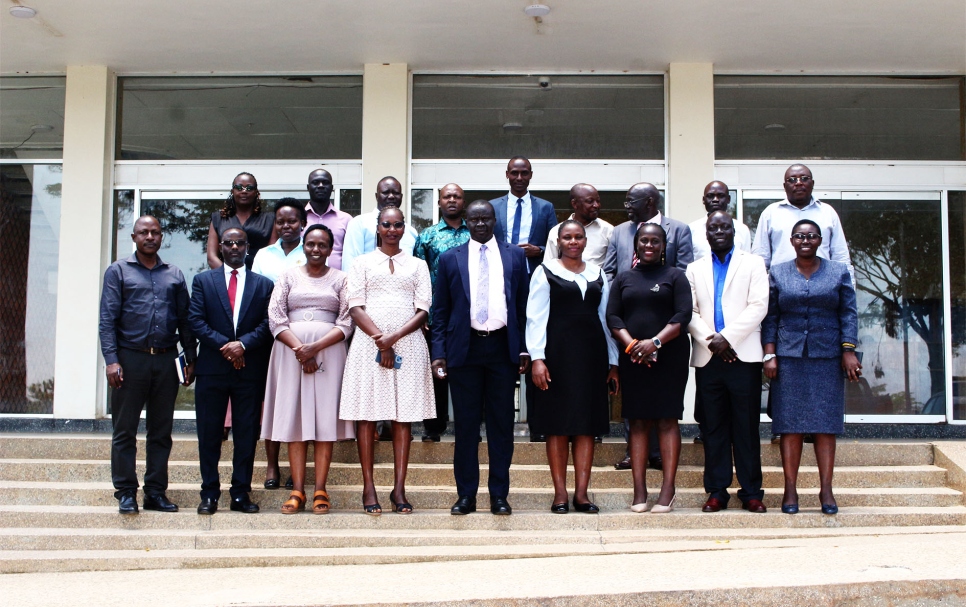
The partnership was further advanced on 27th August 2026, when representatives of the Leaders in Teaching Programme visited Busitema University for a bilateral engagement with University management and academic leaders.
The meeting brought together members of the University’s top management, the Dean and Heads of Departments from the Faculty of Science and Education at Nagongera Campus to discuss the programme, implementation arrangements and opportunities for aligning the partnership with the University’s strategic priorities.
Speaking during the engagement, Mr. Emmanuel Adengo, Project Coordinator, provided an overview of the Leaders in Teaching Uganda Programme, its objectives, implementation structure and the organisations supporting its delivery.
The programme is implemented through a consortium model, with oversight and strategic leadership provided by the Ministry of Education and Sports. It also adopts a multi-partner implementation model built around four core programme pillars; Recruit, Train, Lead and Motivate with each pillar led by a specialised partner organisation.
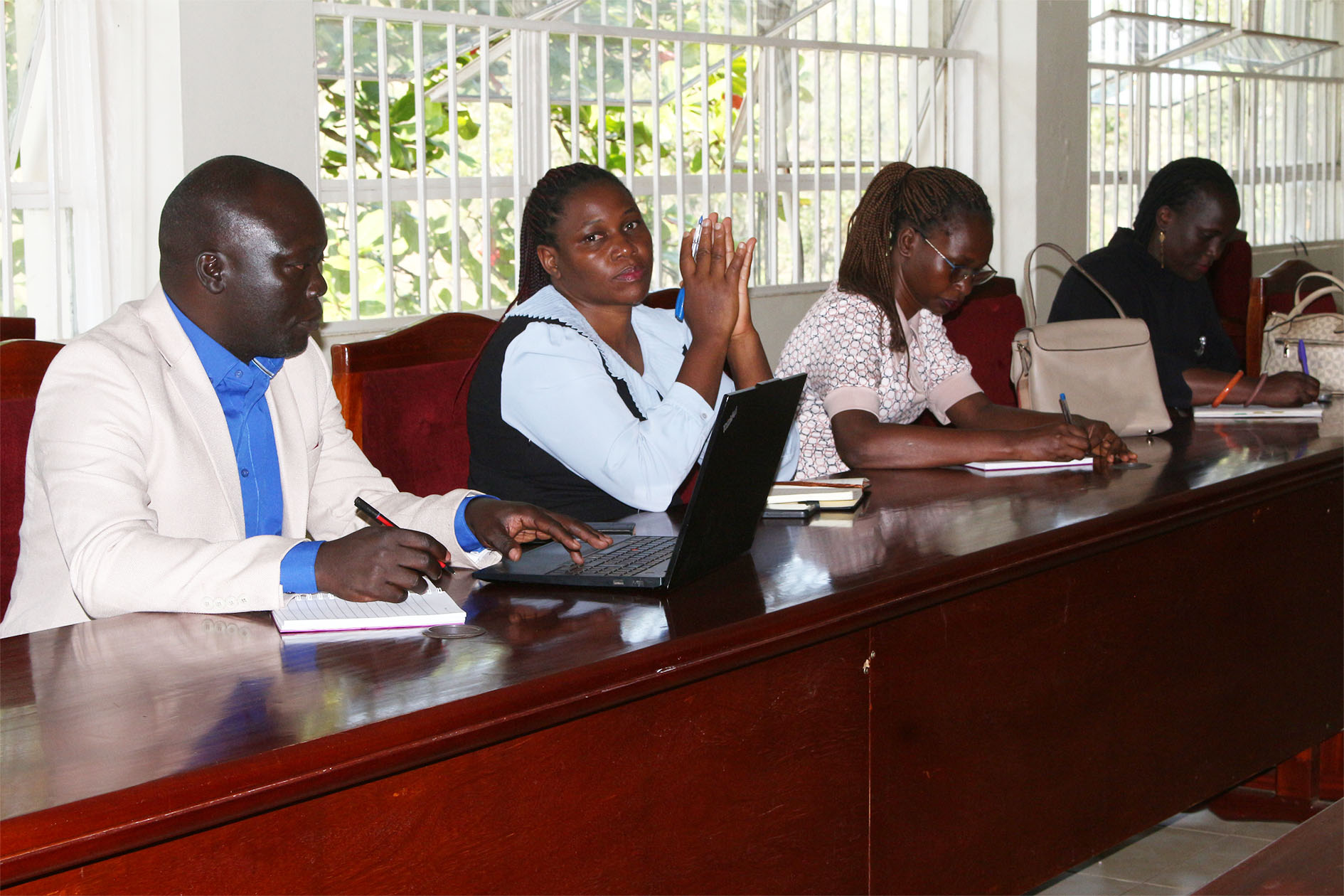
The Luigi Giussani Foundation serves as the Consortium Lead, providing overall coordination of the programme. UNICEF is the Co-lead and spearheads the integration of Information and Communication Technology (ICT) in teaching and learning across the programme.
Under the Recruit pillar, the Forum for Education NGOs in Uganda (FENU), alongside Teach For Uganda, leads efforts to advocate for equitable teacher recruitment. The pillar also pilots the placement and mentoring of young volunteer female STEM graduates as teachers in rural schools, creating opportunities for women to enter the teaching profession while helping address teacher shortages in underserved communities.
The Train pillar is led by the British Council, alongside Edukans International Uganda and Brainwave Careers, and focuses on strengthening competency-based curriculum implementation, advancing gender-responsive pedagogy and improving career guidance for learners and teachers.
The Lead pillar is led by VVOB – education for development, alongside Promoting Equality in African Schools (PEAS) Uganda. It supports the development of effective school leadership practices across secondary schools, recognising the role of strong school leadership in improving teaching, learning and institutional performance.
The Motivate pillar is led by STiR Education and focuses on enhancing teacher motivation and cultivating a culture of continuous professional growth within schools.
The structure brings together organisations with complementary expertise across teacher recruitment, professional development, school leadership, motivation and digital learning, creating an integrated approach to strengthening Uganda’s education system.
Nationally, the programme has adopted a broad geographical approach, bringing together 10 universities from different parts of Uganda. The participating institutions include Busitema University, representing Eastern Uganda; Mbarara University of Science and Technology and Kabale University, representing Western Uganda; Mountains of the Moon University, serving the Rwenzori sub-region and Bunyoro; Gulu University and Muni University, representing Northern Uganda; and Makerere University and Kyambogo University, with Kyambogo’s participation also providing an important focus on special-needs education in Central Uganda. The university cohort is complemented by Islamic University in Uganda and Nkozi University, representing the private university sector.
In addition to the 10 universities, the programme has incorporated six other institutions under the UNITE network, bringing the overall number of participating institutions to 16.
For Busitema University, the partnership is particularly significant because of its role in providing access to teacher education and STEM training in Eastern Uganda. The University’s Faculty of Science and Education at Nagongera Campus provides a strategic platform for the initiative to develop female STEM educators who can subsequently contribute to teaching and learning in schools across the country.
The 27th August engagement followed an earlier inception meeting of representatives of the Leaders in Teaching Program, at which Busitema University was represented by the Vice Chancellor, Professor Paul Waako, at Fairway Hotel in Kampala. The meeting provided an opportunity for the parties to discuss the proposed partnership and reach an initial understanding.
The latest engagement provided an opportunity to broaden the discussion to the University’s academic leadership, formally introduce the programme to the wider University community and establish a clearer institutional framework for implementation.
The Busitema University team also sought clarification on programme implementation modalities, beneficiary selection, institutional responsibilities and the formalisation of partnership arrangements. Discussions further explored how the University can contribute to the success and sustainability of the initiative while ensuring that programme activities are aligned with institutional priorities and responsive to the needs of students.
“Increasing women’s participation in STEM is critical to expanding Uganda’s pool of skilled professionals, strengthening the teaching workforce and ensuring that more girls and young women see STEM education and careers as attainable pathways. This partnership aligns with Busitema University’s commitment to expanding access to quality education, promoting gender inclusion and harnessing science, technology and education as drivers of sustainable development,” said the Vice Chancellor, Prof. Paul Waako.
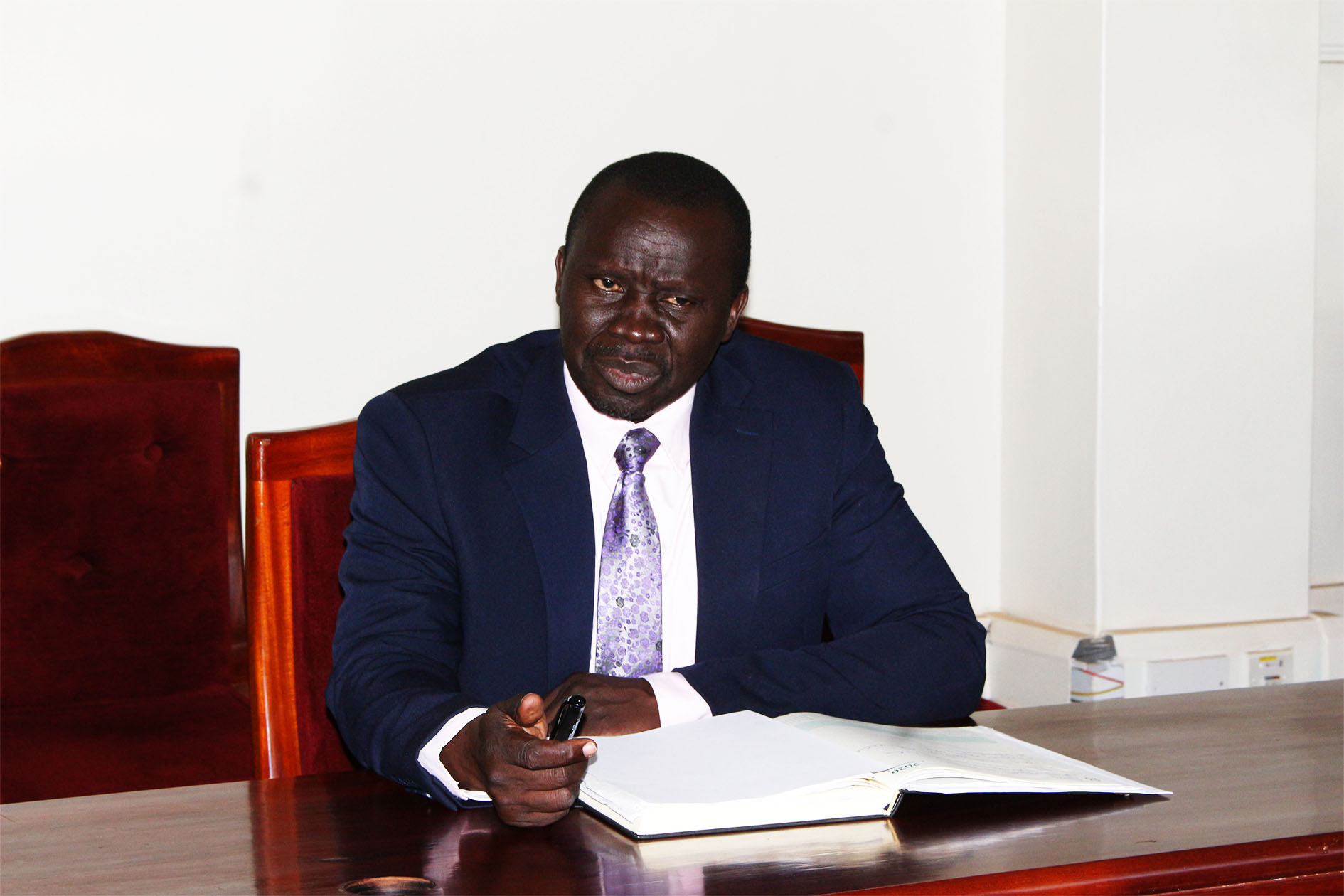
By supporting female student teachers at Nagongera Campus, the partnership has the potential to create a multiplier effect equipping women with STEM knowledge, teaching skills and leadership capabilities that they can subsequently transfer to future generations of learners.
The programme’s emphasis on recruitment, training, leadership and motivation also provides an opportunity to address the STEM gender gap across multiple stages of the education pipeline. From attracting women into teaching and equipping them with relevant competencies to strengthening school leadership and sustaining teacher motivation, the programme takes a long-term approach to developing a stronger and more inclusive teaching workforce.
The initiative therefore represents an investment not only in individual scholarship beneficiaries but also in Uganda’s future educators, schools and STEM talent pipeline.
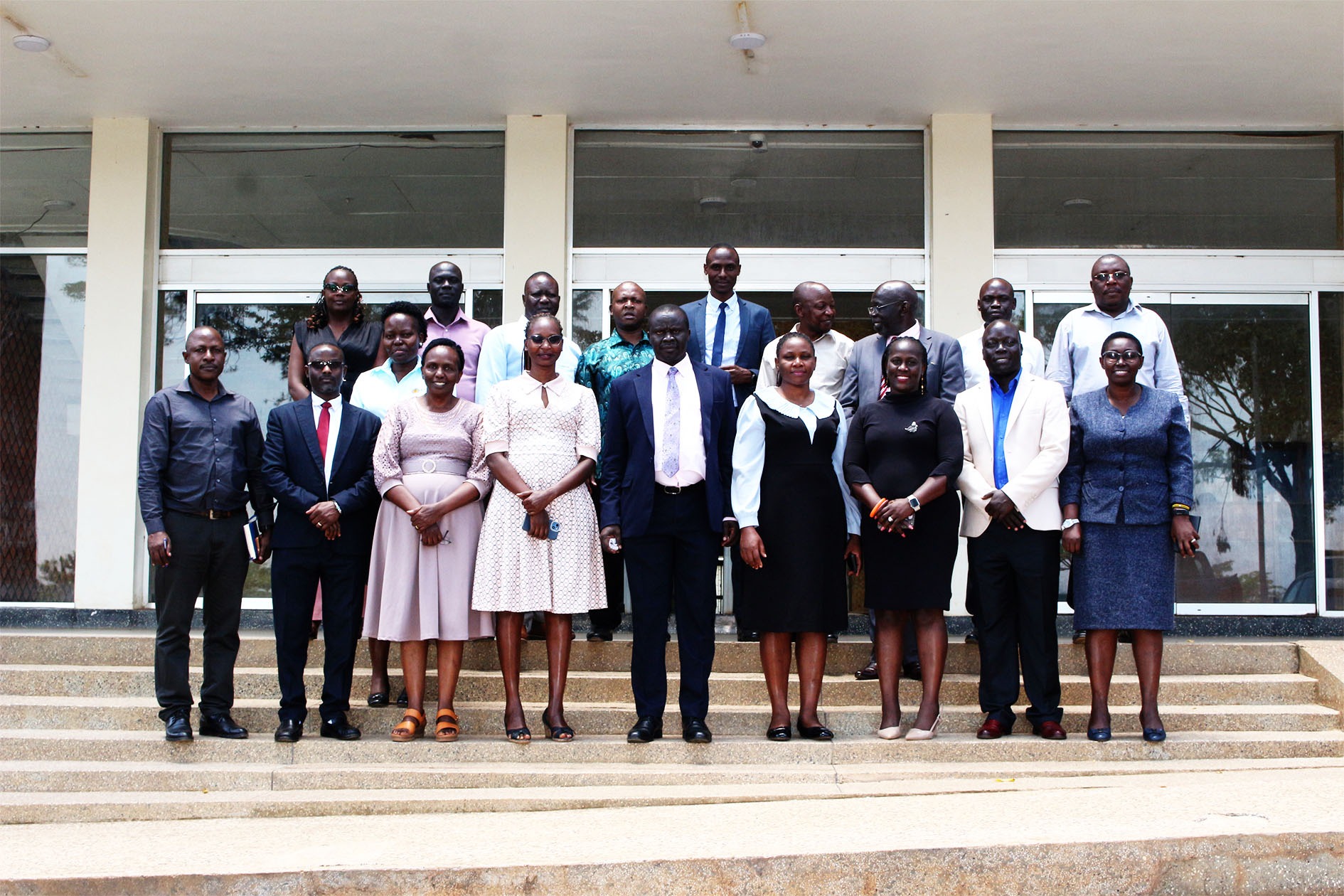
The engagement concluded with a shared commitment between Busitema University and the Leaders in Teaching partners to advance the necessary processes for formalising and implementing the programme, while ensuring that the intervention remains responsive to the University’s priorities and the needs of its students.
Through the partnership, Busitema University is positioned to play a significant role in nurturing a new generation of female STEM educators from Eastern Uganda women equipped with the knowledge, skills, confidence and leadership capacity to inspire learners and contribute to Uganda’s education, skills and innovation agenda.
- 92 views