


Busitema University Benchmarks ICT Systems to Guide Future Investment
22 September, 2026
Busitema University has completed a two-day ICT benchmarking exercise aimed at informing future investment in digital infrastructure and improving the systems that support teaching, learning and administration across its campuses.
Held on 21 and 22 September 2026, the exercise took the University team to Uganda Christian University, Makerere University and Victoria University. Each institution offered a different perspective on issues Busitema is currently considering, from networks, servers and data centres to integrated systems, smart classrooms, ICT governance and the use of artificial intelligence.
Busitema is preparing for upcoming planning and budgeting processes, and ICT is expected to receive greater attention as the University considers how to improve connectivity, strengthen digital services and support a growing number of users across its campuses.
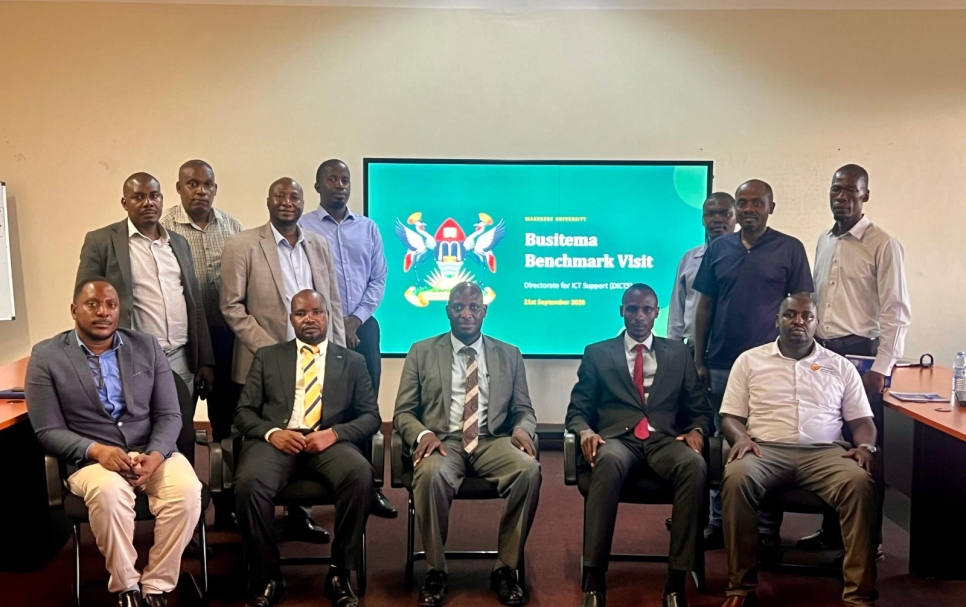
Leading the delegation was the Deputy Vice Chancellor, Finance & Administration, Assoc. Prof. Pakoyo Fadhiru Kamba. He was joined by University Secretary and Accounting Officer Dr. Gregory Tweheyo; Director, Planning and Institutional Development Mr. Paddy Namurebire; Director of ICT Assoc. Prof. Gilbert Gilibrays Ocen; Assistant Information Technology Officer (Web Systems) Mr. Byaruhanga Moses; and Assistant Information Technology Officer (Networks) Eng. Kajjumba Kyakulaga Mubarak.
Recent developments at the University have already shown what targeted investment in technology can offer. On 15 September 2026, Busitema launched the MTN Spark Hub at the Faculty of Engineering and Technology, creating a space where students and innovators can develop digital skills and work on practical technology solutions.
The Hub is one example of the direction the University is taking, but investments like this also depend on reliable connectivity, stable systems, adequate server capacity, technical support and clear ICT policies. The benchmarking exercise gave the team an opportunity to see how other universities have built and managed these supporting systems.
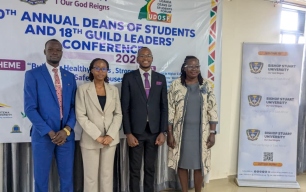
That wider picture shaped the visit to Uganda Christian University, where the delegation was received by Vice Chancellor Prof. Aaron Mushengyezi. The team examined UCU’s network and digital infrastructure, smart classrooms, ICT governance and the integration of different systems and services, an area Busitema is also considering as it looks at how its existing platforms can work more effectively together.
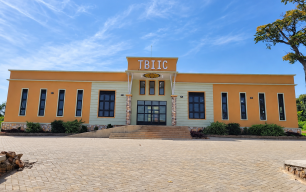
From that broader view of the digital environment at UCU, the team moved to Makerere University for a closer look at the infrastructure that keeps such services running. Received by Samuel Paul Mugabi, Director of ICT Support, the delegation focused on network infrastructure, servers and data-centre operations.
The visit also brought attention to what happens behind the digital services people use every day. Keeping learning platforms, administrative systems and library services running requires dependable networks, sufficient server and storage capacity, strong security and arrangements to minimise service interruptions.
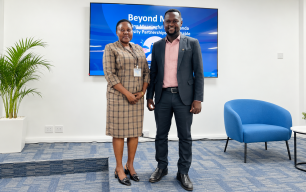
The final visit was to Victoria University, where Vice Chancellor Dr. Lawrence Muganga received the delegation and shared the University’s experience with digital transformation and the growing use of artificial intelligence in its operations.
During the engagement, Dr. Muganga told the delegation that Victoria University's student population had grown from about 180 students to approximately 16,000 over six years, with technology and artificial intelligence playing an important role in supporting that growth.
His presentation shifted the discussion from infrastructure alone to what universities can do when technology becomes part of everyday operations. Digital tools can influence how institutions reach students, manage information, deliver services and respond to increasing demand.
The lessons from the benchmarking will now feed into Busitema’s planning and future ICT investment decisions, guided by the University’s own needs, existing systems and available resources. The focus now shifts to turning what the team learnt into practical improvements in the digital services used by students and staff.
- 8 views