


Advanced Textile Technology Arrives at Busitema University to Power Uganda's Green Manufacturing
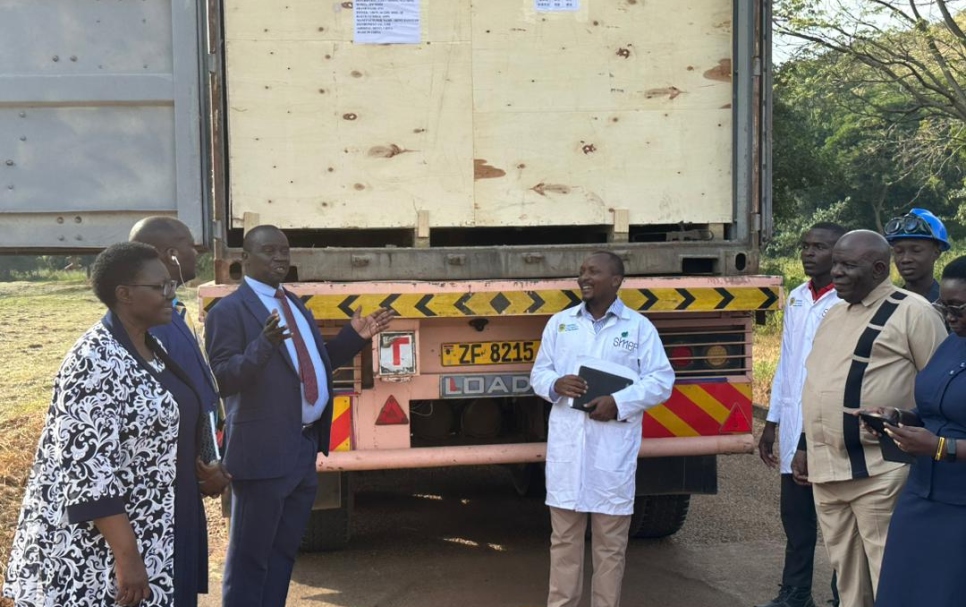
Uganda's efforts to build a greener and more competitive textile industry have received a major boost after Busitema University received advanced textile processing equipment funded by the United Kingdom Government and the European Union. The investment will enable researchers to transform agricultural waste such as banana fibre into high-value textile products while training the next generation of textile engineers.
The equipment, delivered to the University's Faculty of Engineering and Technology on June 25, 2026 marks a significant milestone in Busitema University's growing role as a centre for textile engineering, sustainable manufacturing and applied research. Once fully installed and commissioned, the facilities will expand the University's capacity to undertake advanced textile research, support innovation and strengthen practical training for students preparing to join Uganda's manufacturing sector.
The equipment was officially received by Vice Chancellor Prof. Paul Waako, accompanied by members of the University Top Management, representatives of the University Council and the Principal Investigator for both projects, Dr. Edwin Kamalha.
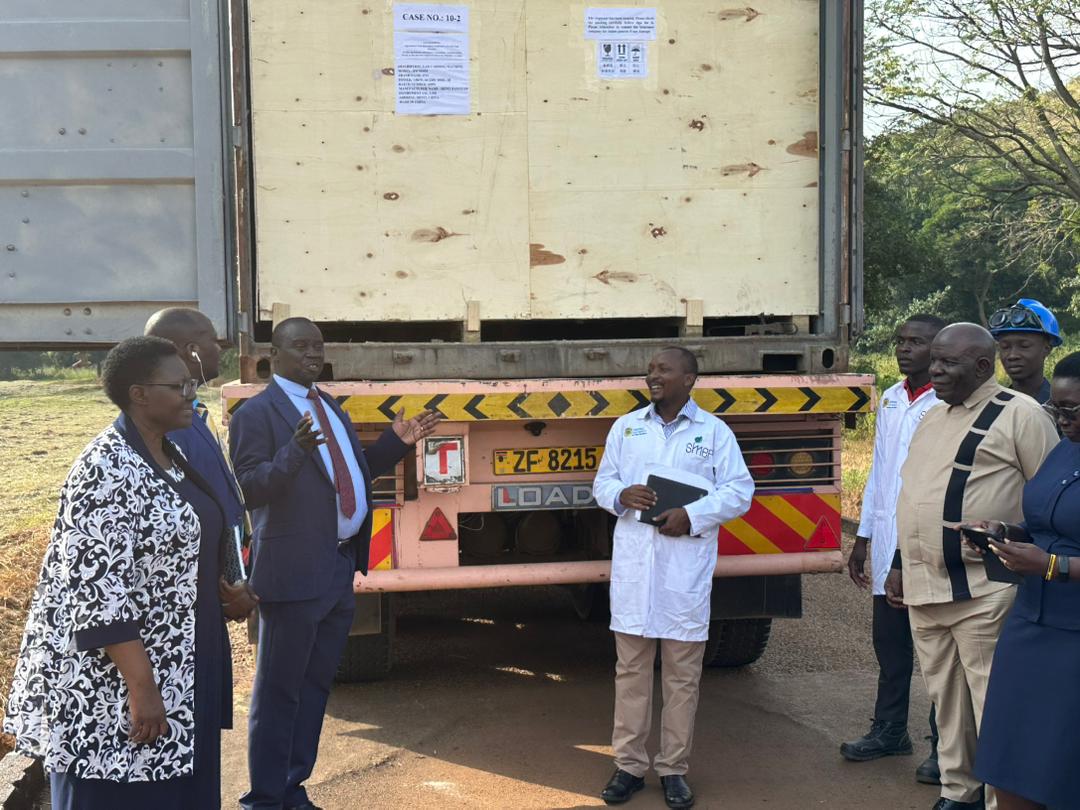
The investment comes through two flagship international development projects that are transforming textile education and research at Busitema University.
The first consignment was procured under the BANATEX-EA (Sustainable Textiles through Upscaling and Commercialisation of Banana Fibre Value Addition in East Africa) project, funded by the United Kingdom Government through the Foreign, Commonwealth and Development Office (FCDO) under the Sustainable Manufacturing and Environmental Pollution (SMEP) Programme.
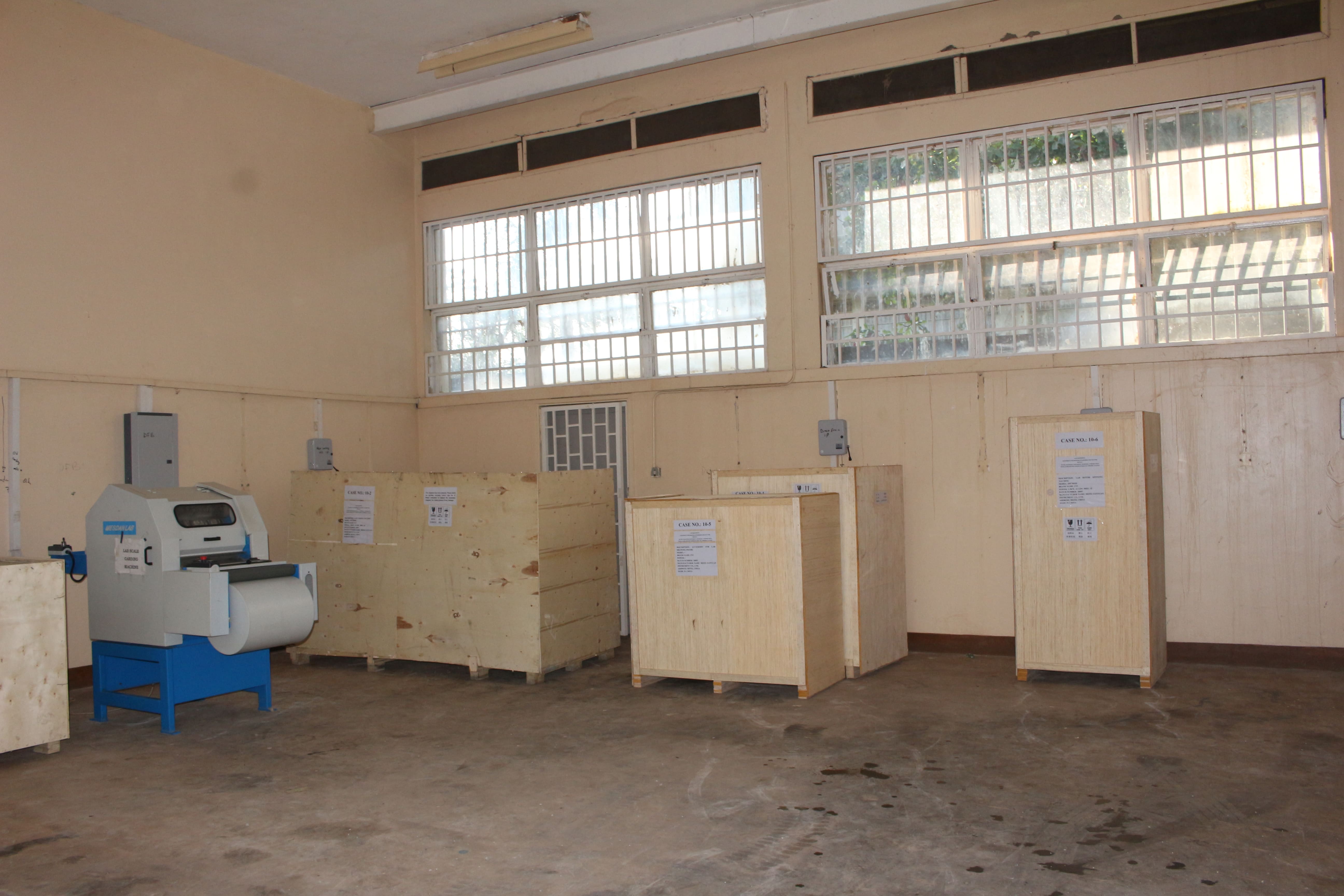
It includes specialised fibre preparation and spinning equipment that will enable researchers to convert processed natural fibres into yarn suitable for textile production. The machinery fills a critical gap in the banana fibre value chain by allowing researchers to move from fibre processing to yarn development using locally available raw materials.
The research has the potential to unlock new economic opportunities by turning banana pseudostems previously treated as agricultural waste into valuable raw materials for the textile industry. In doing so, it supports Uganda's transition towards a circular bioeconomy while creating new income opportunities for farmers, entrepreneurs and manufacturers.
The second consignment was delivered through the European Union-funded METODIC Project. It includes commercial knitting machines, industrial embroidery systems, as well as laboratory-scale dyeing and textile finishing equipment.
Beyond enhancing classroom instruction, the new facilities will expose students to modern textile manufacturing technologies used in industry, strengthen research in textile product development and sustainable processing, and support graduate innovation and entrepreneurship by enabling young innovators to prototype and commercialise new textile products.
Speaking during the handover ceremony, Vice Chancellor Prof. Paul Waako commended the project team for successfully attracting international research funding that continues to strengthen the University's research and innovation capacity.
He described the delivery as a major institutional achievement that reflects Busitema University's growing reputation as a trusted international research partner capable of implementing high-impact development projects.
Prof. Waako said the equipment would strengthen academic excellence while contributing directly to Uganda's industrial transformation through research, technology transfer, innovation and skills development. He reaffirmed the University's commitment to ensuring the facilities are fully utilised to develop commercially relevant technologies that address national development priorities.
Dr. Edwin Kamalha thanked the University's leadership, Top Management and Council for their continued support throughout the implementation of both the BANATEX-EA and METODIC projects. He noted that the successful acquisition of the sophisticated equipment was made possible through strong institutional commitment and close collaboration with local and international partners.
He said the research teams remain committed to translating scientific research into commercially viable technologies that support Uganda's manufacturing sector while building the skilled workforce needed to drive future industrial growth.
Installation and technical testing of the equipment is already underway and is expected to be completed within the next two days. Once commissioned, the facilities will immediately support postgraduate research, undergraduate practical training and collaborative projects with industry.
The new infrastructure is expected to position Busitema University among Africa's emerging leaders in sustainable natural fibre research, advanced textile manufacturing and circular economy innovations. It also reinforces the University's contribution to Uganda's industrialisation agenda by strengthening collaboration between academia, industry, government and development partners to drive innovation, value addition and sustainable economic growth.
- 95 views